If you’re a contractor who wants to accept card and digital payments, you’ve probably noticed that merchant account applications can feel more detailed than other business services. That’s not because contractors are doing anything wrong—it’s because payment providers and banks have to evaluate real-world risk: large invoices, deposits before completion,...
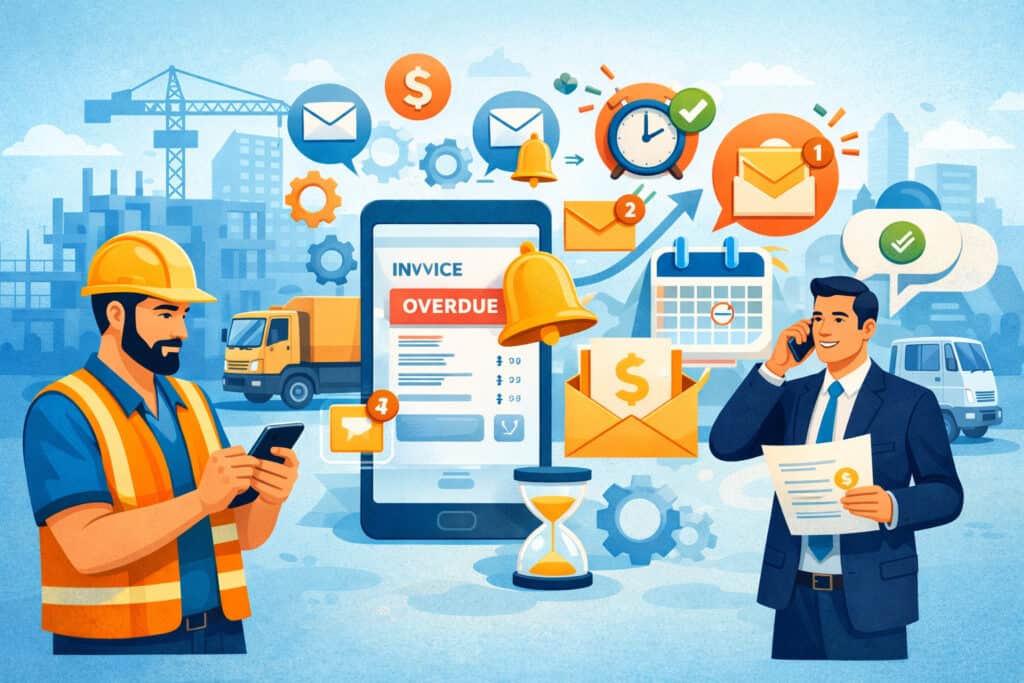
Automated Payment Reminders for Contractors: Setup Guide (2026 AR Automation Playbook)
If you’re running a contracting business, you already know the real work doesn’t end when the crew cleans up and the punch list is done. The next challenge is getting invoices approved, processed, and paid—without turning every week into awkward collection calls. This 2026 AR automation playbook is a practical,...
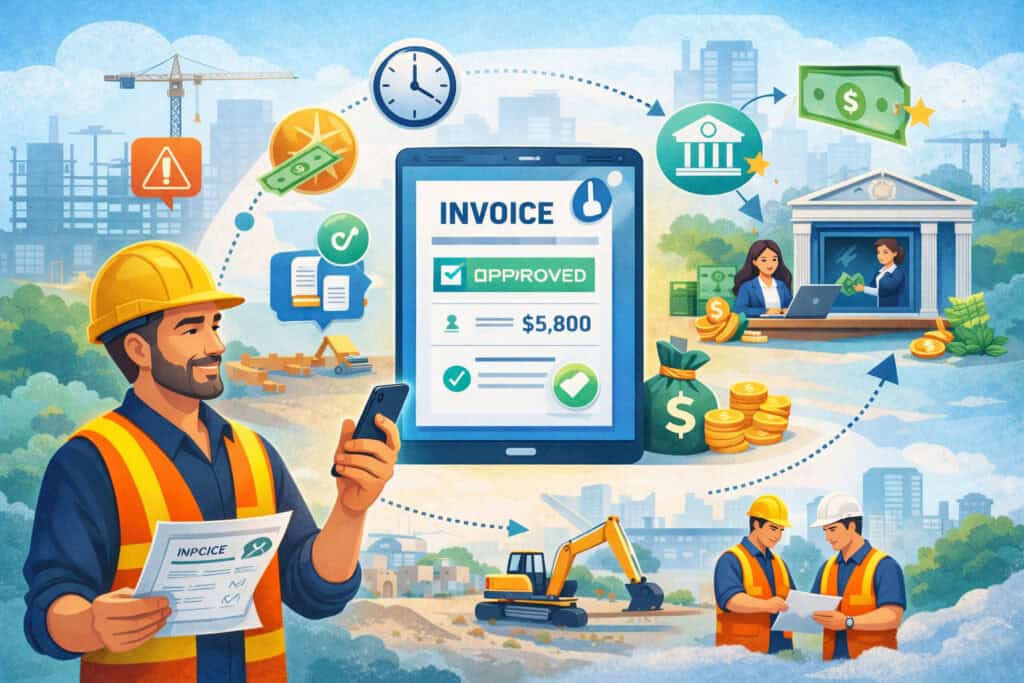
Same-Day Funding for Contractors: How It Works (2026 Guide for Construction Businesses)
Construction cash flow isn’t just “money in, money out.” It’s payroll hitting on Friday while a progress payment clears next week. It’s a supplier asking for a deposit today, while retainage sits untouched until closeout. It’s a piece of equipment going down mid-job, turning a profitable schedule into a costly...
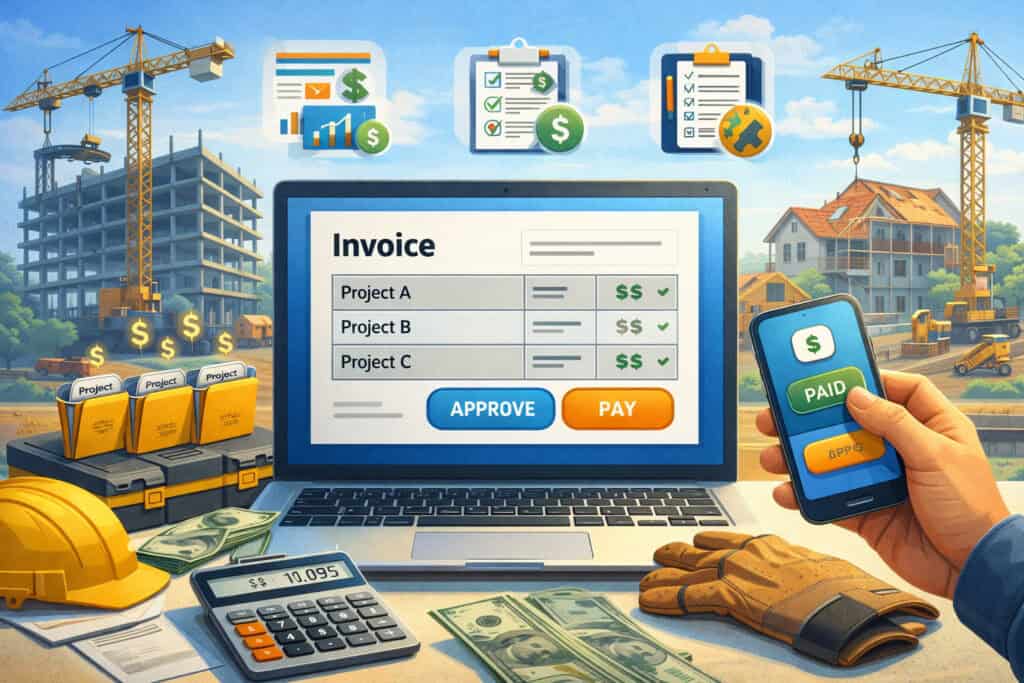
Streamlining Billing for Multi-Project Contractors (2026 Guide to Faster Cash Flow)
Running one job is hard enough. Running five, ten, or twenty at once is where billing breaks—quietly at first, then loudly when cash flow tightens, disputes spike, and your team spends evenings rebuilding backup documentation from memory. This guide is about streamlining billing for multi-project contractors using a repeatable, field-ready...
Construction Billing Software Integration Checklist (2026 Step-by-Step Guide)
If you’re trying to connect construction billing and pay apps to accounting, job costing/WIP, time tracking, payroll, and project management, you’re not alone—and you’re right to be cautious. Integrations in construction don’t fail because people “picked the wrong software.” They fail because cost codes don’t match, job names aren’t consistent,...
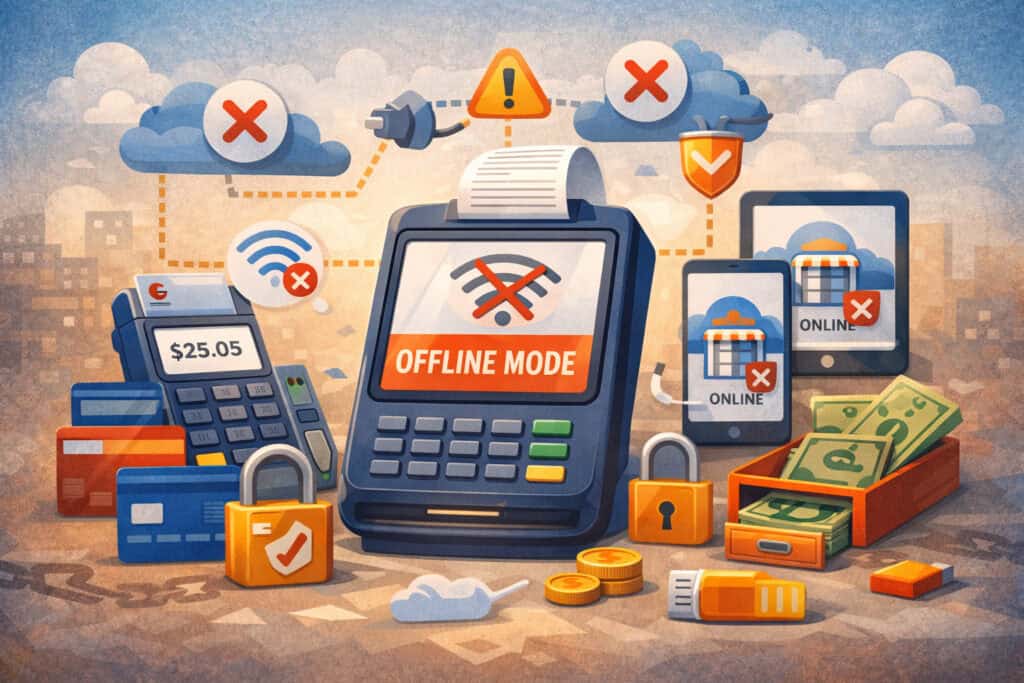
How to Select a POS System with Offline Mode Capability
A POS system with offline mode capability isn’t just a “nice-to-have” feature anymore. It’s the safety net that keeps revenue flowing when Wi-Fi drops, an ISP goes down, a router fails, or a location is simply spotty (think pop-ups, events, rural areas, and older buildings with dead zones). The best...
Top Reasons Contractors Get Their Merchant Accounts Suspended (And How to Prevent It)
If you’re a contractor—general construction, HVAC, roofing, plumbing, remodeling, landscaping, electrical, cleaning, handyman services, and similar trades—your cash flow lives and dies by card acceptance. When a merchant account's suspended notice hits, it’s rarely “random.” It’s usually the result of patterns that processors, card networks, and risk systems interpret as...
Why Contractors Need a Dedicated Merchant Account (Not Just a Personal PayPal)
Contractors don’t just “take payments.” You manage deposits, progress billing, change orders, retainers, invoices, on-site card swipes, and occasional disputes—all while juggling tight margins and unpredictable schedules. That reality is exactly why relying on a personal PayPal-style account can quietly cap your growth, create cash-flow surprises, and raise avoidable risk...
How to Reduce Credit Card Processing Fees for Small Construction Businesses
Running a small construction business means juggling tight margins, unpredictable cash flow, and customers who increasingly want to pay by card. The problem is that credit card processing fees can quietly eat into profit on every invoice, deposit, progress draw, and change order. The good news: you can lower credit...
5 Reasons Contractors Need Recurring Billing
Effective financial management is essential to long-term success in the dynamic field of contracting. Consistent cash flow is a critical concern for contractors, who frequently balance multiple projects, client relationships, and operational expenses. Recurring billing is a strong tool that contractors can use to streamline and stabilize their revenue. Usually...