
By alphacardprocess January 25, 2026
Running a small construction business means juggling tight margins, unpredictable cash flow, and customers who increasingly want to pay by card. The problem is that credit card processing fees can quietly eat into profit on every invoice, deposit, progress draw, and change order.
The good news: you can lower credit card processing fees without sacrificing convenience—if you understand how fees are built, how construction payments are categorized, and which levers actually move the number on your monthly statement.
This guide breaks down practical, field-tested ways to reduce credit card processing fees for contractors, remodelers, specialty trades, and small builders. You’ll learn pricing strategies, technical fixes, compliance-safe ways to pass costs, and future-looking ideas so you can protect margin while staying customer-friendly.
Understand What Drives Credit Card Processing Fees in Construction Payments

To reduce credit card processing fees, you need to know what you’re paying for. Most contractors only see one blended percentage on a statement, but that “rate” is built from multiple layers.
The biggest layer is interchange, which is set by card networks and varies by card type, how the card is accepted, and risk signals. Visa explains that interchange is a transfer fee between financial institutions and that merchants typically pay a “merchant discount” rate to their provider that can include multiple services and costs.
On top of interchange, there are network assessments (small percentage fees from the card networks) and then the processor markup (what your merchant services provider adds for authorization, settlement, gateway, and support).
That last portion is where you often have negotiating power. But even if you negotiate markup down, credit card processing fees can still climb if your acceptance method triggers more expensive interchange categories—something that happens a lot in construction due to keyed-in payments, invoices paid remotely, large ticket sizes, and deposits.
Construction businesses also face added risk flags: jobs can stretch over weeks, payments can be partially delivered, and disputes can arise from scope changes. Risk increases the chance of chargebacks, and chargebacks often come with fees plus operational time loss.
Reducing disputes won’t lower interchange directly, but it can reduce the total cost of accepting cards and help you qualify for better provider terms over time.
Match Your Payment Workflow to Lower-Cost Card Acceptance

Most contractors don’t realize that the same customer card can cost different amounts depending on how you take the payment.
If you take a card in person using tap/chip, you may see lower credit card processing fees than if you key the card number into a virtual terminal or email an invoice link. That’s because “card-present” transactions generally carry more certainty than “card-not-present,” which is priced for higher fraud risk.
Start by mapping how customers pay you today: deposits taken over the phone, progress payments via invoice links, job completion payments onsite, or ad-hoc change orders from the field. Then match each scenario to the lowest-risk acceptance method that still fits operations.
For onsite collection, a modern reader that supports tap-to-pay and chip can reduce risk signals compared to manual entry. For remote payments, use invoicing tools that support secure payment links and strong verification (address verification, CVV prompts, and clear descriptors).
Also, focus on authorization and batching habits. If you delay batching (closing out transactions) for too long, you can trigger higher costs or compliance issues with some providers.
If you capture payment far ahead of delivery without clear contract terms, you can increase dispute risk. Lower credit card processing fees is not just about the rate—it’s also about preventing expensive side effects like chargebacks, retrieval requests, and transaction downgrades.
Finally, keep your business profile accurate. Merchant category and business description can influence how risk is assessed. Make sure your provider has you coded correctly and that your invoice descriptors match your company name so customers recognize the charge. Fewer “I don’t recognize this” disputes means fewer fees and less cash flow disruption.
How Construction Transactions Trigger “Downgrades” and Higher Credit Card Processing Fees
In construction, many transactions get unintentionally pushed into more expensive cost buckets—often called “downgrades” in provider language. A downgrade typically happens when a transaction doesn’t meet certain data or timing requirements, or when it looks riskier than expected.
For example, manually keyed transactions, missing address verification data, or delayed settlement can increase the effective credit card processing fees you pay.
One common contractor scenario is taking a deposit over the phone and keying it in. This can cost more than sending a secure invoice link where the customer enters the information themselves. Another scenario is billing large amounts without detailed invoice references.
Large-ticket transactions aren’t “bad,” but they are scrutinized more heavily. If you can include clear invoice numbers, customer details, and consistent documentation, you reduce the chance of disputes and can improve your processing profile.
If your customers are other businesses, there may be opportunities to send additional transaction data that helps qualify for optimized B2B processing categories (often referred to as enhanced data).
Not every provider supports this well, and not every card qualifies, but when it works, it can reduce net credit card processing fees on certain commercial card transactions.
Operationally, the best defense is to standardize payment handling: consistent invoicing, consistent settlement timing, and consistent proof of authorization (signed contract, digital approval, or clear customer confirmation).
When your payments look clean and predictable, your provider has fewer reasons to treat them as higher risk—and over time, that can make your overall cost of accepting cards more favorable.
Choose Transparent Pricing and Negotiate the Right Parts of the Bill

Many small contractors are on pricing structures that make it hard to see where the money goes. If you want to lower credit card processing fees, transparency matters because it tells you what you can negotiate. The two most common pricing approaches are:
- Interchange-plus pricing: interchange and network fees pass through at cost, and your provider adds a clear markup.
- Tiered or bundled pricing: transactions are grouped into “qualified/mid-qualified/non-qualified” buckets, often hiding the true cost.
Interchange-plus is usually easier to audit and negotiate because you can clearly compare providers’ markups. Tiered pricing can sometimes look attractive upfront, but it often produces surprises when your real-world transactions (keyed payments, rewards cards, business cards) land in higher tiers—raising effective credit card processing fees.
When negotiating, focus on what the provider controls: the markup (percentage + per-transaction fee), monthly account fees, gateway fees, PCI or compliance fees, statement fees, and any “non-cancellable” add-ons.
Ask for clear terms, and avoid long contracts with expensive early termination penalties unless the savings are guaranteed and measurable.
Also, don’t ignore your volume profile. Construction revenue can be seasonal, so negotiate for pricing that doesn’t punish low months with high fixed fees. Sometimes the lowest “rate” isn’t best if it comes with heavy monthly minimums.
Your goal is to reduce total credit card processing fees across the whole year, not just win a rate quote on paper.
If you’re comparing offers, ask each provider for a side-by-side estimate based on your real transaction mix: average ticket, percentage card-present vs card-not-present, percentage keyed, and how many invoices you run per month.
A provider that understands contractor workflows can often recommend the right setup (mobile readers + invoicing + optional ACH) to cut credit card processing fees in ways a generic quote won’t show.
How to Audit Your Merchant Statement for Hidden Credit Card Processing Fees
A statement audit is one of the fastest ways to find wasted money. Start with the basics: calculate your effective rate (total fees divided by total processed volume). Then look for line items that inflate credit card processing fees beyond the headline rate.
Common culprits include monthly fees you don’t use, gateway fees stacked on top of software fees, PCI/compliance charges that don’t match what you were told, and “junk fees” labeled as non-qualified surcharges or miscellaneous network fees. Some providers also add extra fees for refund processing, batch closing, or paper statements.
Next, identify patterns: Are keyed transactions costing more than you expected? Are invoice-link payments showing higher costs? Are you seeing frequent chargeback or retrieval fees? If so, your savings plan may be more operational than purely pricing-based.
For example, shifting even a portion of payments from keyed entry to secure invoice links can reduce risk and lower credit card processing fees over time.
Finally, check for rate creep. If your effective credit card processing fees have risen over several months without a change in your business, that’s a red flag. Providers sometimes adjust markups or add new monthly fees.
You don’t have to accept it. Use your audit results as leverage: request a repricing, remove unused add-ons, and insist on a clean schedule of fees in writing. When your provider knows you track the numbers, you’re less likely to be treated as a passive account.
Reduce Card-Not-Present and Keyed Transactions Without Losing Customers
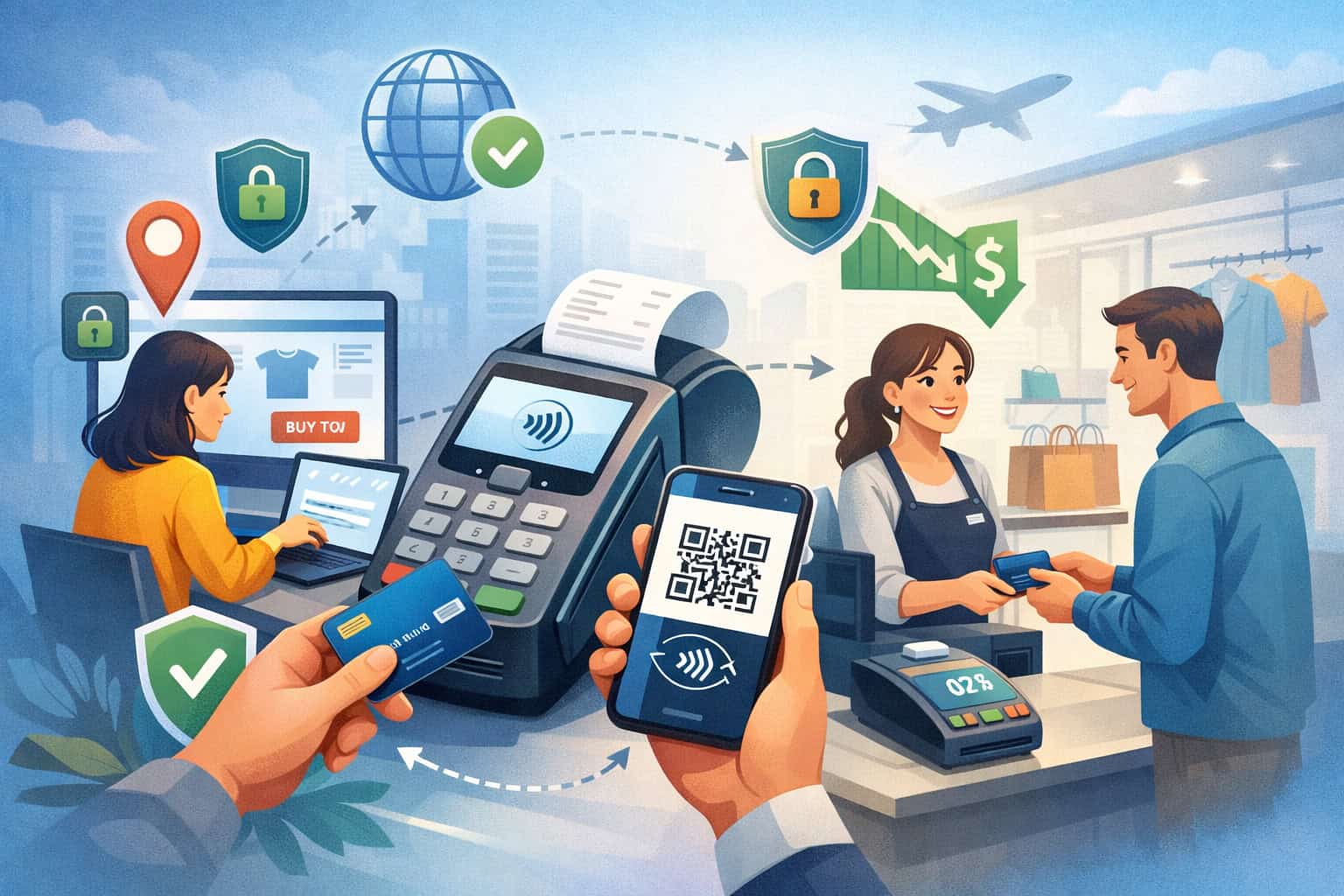
A major driver of high credit card processing fees in construction is reliance on remote payments: customers calling in card numbers, paying from emailed invoices, or paying when you’re not physically onsite.
You can’t eliminate card-not-present payments—and you shouldn’t, because convenience helps you get paid faster—but you can redesign the process to reduce cost and risk.
First, replace phone-keyed payments with secure pay links whenever possible. Instead of typing card details into a virtual terminal, send an invoice link where the customer enters details directly.
This can reduce your exposure and often improves transaction data quality. Second, use tools that support address verification prompts and clear receipts. Those small signals can help reduce disputes and keep your credit card processing fees from creeping up due to risk.
Third, split payments logically. For big projects, collecting one massive final payment can spike risk and invite disputes if the customer feels unresolved issues remain.
Progress billing with clear milestones—deposit, mid-project draw, completion—can lower dispute risk and stabilize cash flow. This isn’t guaranteed to lower interchange, but it can reduce costly chargebacks and keep the true cost of accepting cards more predictable.
Finally, train your team. Many fee increases happen because field staff do whatever is fastest—keying cards, re-running declined cards repeatedly, or delaying batch closure. A simple internal checklist can reduce operational mistakes that inflate credit card processing fees.
Chargeback Prevention That Also Lowers Total Credit Card Processing Fees
Chargebacks don’t just cost the sale—they often include fixed chargeback fees, lost labor hours, and delayed cash flow. Visa notes in its merchant surcharging materials that surcharging requires proper disclosures and receipt itemization, and network rules generally emphasize clear consumer communication and transaction transparency.
That same clarity mindset helps prevent disputes in the first place, which reduces the “total cost” side of credit card processing fees.
For construction businesses, the best chargeback prevention is documentation and expectation management. Use contracts that clearly define scope, timeline, and payment schedule.
For change orders, get written or digital approval before billing. If you take a deposit, label it as a deposit on the invoice and include refund policy terms. When customers see a charge that matches what they agreed to, disputes drop.
Also, fix your descriptors. If your customer’s statement shows a random DBA name, they may file a dispute. Make sure your business name and phone number appear in the descriptor if your provider supports it.
Provide receipts for every payment, even when paid onsite. When customers can contact you easily, they’re more likely to resolve issues directly instead of disputing.
Finally, respond fast. If a dispute does happen, quick, organized responses improve outcomes. Even when you can’t win a dispute, reducing frequency matters.
Lower dispute volume can help you maintain better standing with providers and protect your ability to negotiate better terms—one of the indirect but powerful ways to reduce credit card processing fees long-term.
Shift Part of Your Payments to Lower-Cost Alternatives Without Killing Cash Flow
The most reliable way to reduce credit card processing fees is to reduce how often customers pay by credit card for large tickets. That doesn’t mean refusing cards; it means offering smart alternatives for the payments where fees hurt most.
For example, bank-to-bank payments (like ACH) can be far cheaper than card acceptance for big invoices. If you’re collecting a $12,000 kitchen remodel draw, the difference can be meaningful.
Start by offering customers two payment options on every invoice: “Pay by card” and “Pay by bank transfer.” Make the bank option easy—simple instructions, a secure link, or an automated authorization flow through your invoicing system.
When bank payments are hard, customers default to cards. When bank payments are easy, a portion of customers will choose them to avoid card limits, earn fewer points concerns, or reduce friction with large purchases.
You can also tailor options by customer type. Homeowners may prefer cards for deposits but accept bank transfer for progress payments. Commercial clients often prefer electronic bank payments from the start.
Either way, the goal is to steer the largest amounts to lower-fee rails and keep cards for convenience and speed—so you reduce overall credit card processing fees without slowing collections.
Be careful with wording. Present options neutrally and emphasize convenience, speed, and security. You’re not “punishing” card payers; you’re offering choices. Over time, even shifting 20–40% of volume off cards can materially reduce credit card processing fees.
How to Communicate Payment Options So Customers Accept Them
Contractors sometimes lose savings opportunities by communicating poorly. If you abruptly announce a “card fee,” customers may push back. But if you build payment options into your pricing and invoicing from the beginning, it feels normal and professional.
Use plain language in proposals: “You can pay by card for convenience or by bank transfer to avoid card costs in larger amounts.” On invoices, list options clearly with short bullet points.
Make sure your crew knows what to say onsite: “If you’d like to use a card, we can do that here. If you prefer bank transfer for the larger draw, we can send the link and you can pay from your phone.”
Also, reinforce trust signals: secure links, branded invoices, and receipts. Customers are cautious with bank payments if they don’t trust the process. Use a consistent invoice template, include your license number if applicable, and keep communication professional. The easier and safer it feels, the more adoption you’ll get.
If you implement discounts for non-card methods (where allowed), frame it as a benefit: “We offer a cash/check/bank discount.” NFIB notes that federal law prohibits debit card surcharges nationwide and discusses disclosure requirements around cash discounts.
This is why clear terminology matters: rewards work better than penalties, and compliance depends on doing it correctly. Done right, customer communication becomes a tool that reduces credit card processing fees while maintaining goodwill.
Use Surcharging, Cash Discount, or Dual Pricing the Right Way (Compliance Matters)
Passing some cost to customers can reduce credit card processing fees, but it must be done carefully because card brand rules and state laws vary.
Visa’s merchant guidance explains that merchants may add a surcharge on credit card transactions in most states and territories, but it comes with limitations, disclosure requirements, and restrictions (including that debit cannot be surcharged).
Mastercard’s official surcharge rules page highlights disclosure requirements and a maximum surcharge cap (up to 4%, with important conditions).
A common rule-of-thumb is: never surcharge debit, and follow card brand caps and disclosure rules. Visa materials emphasize that the surcharge must not exceed your cost of acceptance and requires signage and itemization on the receipt. Mastercard similarly provides rules and points merchants to detailed requirements.
If you want a simpler approach, consider cash discount or dual pricing strategies, where the posted price reflects card costs and customers receive a discount for paying by cash/check or other methods.
These programs can reduce credit card processing fees because fewer customers choose cards, or because your pricing covers costs more predictably. The key is accurate signage, consistent invoicing, and avoiding deceptive pricing practices.
Don’t treat this as a “set it and forget it” decision. For construction businesses, customer trust is everything, and pricing surprises can create friction. If you choose to add a surcharge or implement dual pricing, build it into your estimate and contract language from the start. Explain it before the first payment, not at the moment of checkout.
Because rules can vary and penalties can be serious, many businesses consult their provider and, when needed, a qualified professional. Mastercard publishes a detailed rules manual and standards documents that govern participation and merchant practices, showing how formal and structured network compliance is.
Step-by-Step Implementation to Reduce Credit Card Processing Fees Without Violations
If you implement surcharging, dual pricing, or cash discounting, your implementation steps matter as much as the idea itself. Visa’s documentation emphasizes proper disclosures, itemization, and that surcharges must not exceed cost of acceptance. Mastercard’s merchant guidance highlights disclosure requirements and caps.
Start with your provider: confirm your terminal, invoicing platform, and receipts can display the correct line items. Next, confirm your debit handling is correct—debit surcharging is not allowed, and systems must be able to identify debit and prevent accidental fees.
Then standardize customer messaging. Put it in proposals, contracts, and invoices. Use consistent signage if you accept payments in-office. Add clear wording on invoice payment pages.
Make sure receipts show the fee or discount clearly. Finally, test before launch: run sample transactions and review how it appears on the customer-facing screen, receipt, and settlement report.
Common pitfalls include applying a fee to debit, failing to disclose at the right points, setting a flat percentage that exceeds allowed caps or exceeds your cost of acceptance, or using confusing language that causes disputes.
Even if the fee reduces credit card processing fees, it can backfire if it increases customer complaints and chargebacks. The best implementation is the one that’s compliant, transparent, and explained early—so customers feel informed, not surprised.
At this point it becomes necessary to say this plainly: in the United States, surcharging legality can vary by state, and card brand rules must also be followed. Visa notes surcharging is permitted in most states and territories with restrictions. That’s why your provider’s compliance guidance matters.
Construction-Specific Tactics That Cut Credit Card Processing Fees on Real Jobs
Generic advice doesn’t always fit contractor realities. Construction billing has deposits, progress draws, retention, change orders, and job-based accounting. That structure gives you more opportunities to reduce credit card processing fees—if you design the payment plan intentionally.
Start by identifying which payments truly need to be card-friendly. Deposits are often emotional purchases for homeowners; they like cards for trust and convenience.
But mid-project draws are usually larger and less “impulse,” making them better candidates for bank transfer or check discount. If you structure the contract so that only the smaller initial payment is typically card-paid, you reduce total credit card processing fees without reducing close rate.
Next, tighten your invoicing discipline. Every invoice should have a job number, milestone description, and clear due date. Every change order should be its own line item or its own invoice with approval attached. When the paper trail is clean, disputes drop, collections speed up, and your payment options are easier to present.
Also, integrate payments with your workflow tools where possible. When invoicing, payment links, and receipts live inside the same system you use for estimates and scheduling, you reduce errors like duplicate charges, incorrect amounts, and missing receipts—errors that create refunds, disputes, and extra credit card processing fees.
Finally, be strategic about refunds. Refunds can cost you in multiple ways: you may not recover the original processing fees depending on provider policies, and you may pay additional transaction fees.
Instead of refunding and rebilling, correct invoices before capture when possible. When a refund is necessary, document it clearly and communicate fast to prevent disputes.
Optimize Deposits and Progress Payments to Lower Credit Card Processing Fees
Deposits and progress draws are your biggest levers because they’re predictable and contract-driven. If you want to reduce credit card processing fees, design your payment schedule with fee impact in mind.
A common approach is to allow card payments for the deposit up to a threshold, then encourage bank transfer for larger draws. For example, you might keep card acceptance for the first payment to remove friction, then offer bank transfer links for later milestones. This approach works because customers are already committed and trust has been established.
You can also reduce risk by aligning payment timing with work completion. If you bill too far in advance without clear terms, customers may dispute when timelines shift. If you bill at defined milestones with documented completion, disputes fall, which reduces chargeback-related costs that inflate total credit card processing fees.
Operationally, set a routine: invoice on the same day each week, follow up with a consistent message, and provide two payment methods every time. When customers know what to expect, payment happens faster.
Faster payment improves cash flow, which reduces the temptation to accept every payment type regardless of cost. That discipline—combined with better payment mix—often produces bigger savings than chasing a tiny rate reduction.
Over time, you’re building a payment culture. Customers learn that your business is professional, structured, and transparent. That reputation helps you maintain pricing confidence and reduces the pressure to absorb every fee. That’s how contractors sustainably reduce credit card processing fees without hurting sales.
Technology Upgrades That Pay for Themselves Through Lower Processing Costs
For small construction businesses, “technology” doesn’t have to mean complicated systems. The best upgrades are the ones that reduce friction, prevent errors, and support lower-cost acceptance methods—all of which reduce credit card processing fees.
A modern mobile reader with tap/chip support is often a quick win for onsite payments. Digital invoicing with secure pay links can reduce phone-keyed transactions. Automated receipts reduce disputes.
And a payment system that clearly separates debit from credit can help you avoid accidental surcharging mistakes—important because debit surcharging is prohibited, as emphasized in guidance discussed by NFIB and Visa materials.
Look for tools that support:
- Clear invoice numbering and job references
- Customer-friendly payment pages
- Strong receipts and email confirmations
- Optional bank transfer or ACH options
- Easy reconciliation with your accounting/job costing
The biggest hidden savings is time. Every hour spent fixing payment issues, re-running cards, chasing missing receipts, or responding to disputes is a cost. When you reduce those issues, you reduce the “all-in” burden of credit card processing fees and get paid faster.
Also, keep an eye on data quality. Systems that capture the right billing details consistently can reduce errors and support better processing outcomes. While you can’t control interchange tables, you can control how clean your transactions look. Cleaner transactions mean fewer exceptions, fewer manual steps, and often fewer surprise costs.
Future Predictions: Where Credit Card Processing Fees Are Headed for Contractors
It’s risky to predict exact pricing, but the direction of travel is clearer: more digital payments, more compliance, more security requirements, and more customer sensitivity to fees. Card networks continue to publish and update rules and standards, indicating ongoing formalization and enforcement in the ecosystem.
As enforcement and fraud controls evolve, businesses that maintain clean processes and documentation tend to fare better than those with messy, inconsistent payment practices.
For contractors, expect three trends that affect credit card processing fees:
- More card-not-present volume: Customers will keep paying from phones and invoice links. That means you’ll need stronger verification, better documentation, and clear communication to keep disputes down.
- More steering to alternatives: Bank-based payment options will continue gaining popularity for larger invoices. Contractors who offer frictionless bank payments (with good customer experience) will increasingly reduce credit card processing fees by shifting large-ticket volume off cards.
- More scrutiny on fee programs: Surcharging and dual pricing will remain popular, but compliance attention will keep rising. Visa and Mastercard already provide structured guidance around surcharging caps and disclosure requirements.
Contractors who implement fee recovery in a transparent, compliant way will likely keep the advantage, while sloppy implementations risk customer backlash and penalties.
The practical future-proofing plan is simple: keep your payment mix diversified, keep your documentation strong, and keep your pricing transparent. That combination reduces credit card processing fees today and makes you resilient as rules and customer expectations evolve.
FAQs
Q.1: Can I charge customers a fee to cover credit card processing fees?
Answer: In many situations, businesses can add a surcharge for credit card payments, but you must follow card brand rules and state laws.
Visa notes that merchants in most states and territories may add a surcharge to credit card transactions, subject to certain limitations, and merchants must follow requirements like consumer disclosures and product restrictions.
Mastercard also publishes surcharge rules and a maximum cap (commonly up to 4%, depending on conditions), and directs merchants to follow disclosure requirements.
A key issue is that debit surcharging is not allowed. Guidance discussed by NFIB and Visa emphasizes that surcharging applies to credit and that debit has special restrictions.
Your system must be able to identify debit and prevent fees from being applied incorrectly. That’s why many contractors rely on provider-configured setups rather than trying to calculate fees manually.
If you want to recover credit card processing fees in a customer-friendly way, consider alternatives like cash discounts or dual pricing. These approaches can feel more like a reward than a penalty, but they still require clear disclosure and consistent invoicing.
The safest approach is to review your plan with your provider, confirm your receipts and signage are correct, and ensure your invoices explain the policy upfront—before the customer is emotionally committed at the point of payment.
Q.2: What’s the fastest way to reduce credit card processing fees without switching providers?
Answer: The fastest operational win is usually reducing keyed and phone-entered transactions. Switch those payments to secure invoice links or customer-entered payments wherever possible.
This can reduce risk signals, reduce errors, and lower the chance of disputes—which reduces total credit card processing fees even if your base pricing stays the same.
The second fast win is optimizing how you collect big payments. Offer a bank transfer option for larger invoices and keep card acceptance available for smaller deposits or convenience payments.
Shifting even a portion of volume away from cards can reduce credit card processing fees quickly, especially when your average ticket is high.
The third fast win is statement cleanup: remove unused monthly fees, bundle duplicate services, and eliminate “mystery” add-ons. Even without switching providers, many contractors can reduce credit card processing fees by tightening the fixed-cost side of the bill. Calculate your effective rate monthly and watch for creep.
Finally, prevent chargebacks with better documentation: contracts, change order approvals, milestone descriptions, and clear receipts. Chargebacks are expensive, disruptive, and avoidable.
For construction businesses, chargeback prevention is one of the highest-ROI ways to reduce the real burden of credit card processing fees.
Q.3: Should a small construction business choose a flat-rate processor or interchange-plus pricing?
Answer: Flat-rate pricing can be simple and predictable, which some small contractors value. But predictability can come at a cost if your transaction mix includes a lot of debit, lower-cost cards, or in-person payments that might be cheaper under interchange-plus.
Interchange-plus is often easier to audit because you can see interchange and network fees separately and compare provider markup more fairly.
If your business has mixed payment types—some onsite, some invoiced, some keyed—interchange-plus can help you see which workflows are driving higher credit card processing fees. That visibility lets you fix the operational causes, not just chase a quote.
That said, the “best” option depends on your size and simplicity. If you process low volume and want minimal admin work, a flat-rate solution may be acceptable—especially if you also shift large invoices to bank payments.
If you process meaningful volume, interchange-plus often creates more room to reduce credit card processing fees through negotiation and optimization.
A practical approach is to compare both models using your real data: last 3 months of statements, average ticket, percentage card-not-present, and number of transactions. Don’t decide based on a promised “as low as” rate. Decide based on total annual cost and how well the solution fits construction billing realities.
Q.4: How do I reduce credit card processing fees on large invoices without annoying customers?
Answer: Start by offering choices early, not at checkout. Put payment options in the proposal and contract. Customers accept structure when they see it upfront. Then, make the lower-cost option easy. If bank transfer is confusing, customers will default to cards.
Next, frame it as convenience and savings: “Card is available for convenience; bank transfer is available for larger payments.” If you offer a discount for non-card methods, position it as a discount, not a penalty. NFIB’s guidance discusses cash discounts and disclosure expectations, which reinforces why clear communication matters.
Also, consider splitting big payments into milestones. Customers are more comfortable paying large totals when they’re tied to clear progress points. This reduces disputes and keeps relationships smooth. Less conflict equals fewer chargebacks and fewer costs that inflate credit card processing fees.
Finally, keep receipts and documentation strong. When customers trust your professionalism, they’re more flexible on payment methods. In construction, your payment process is part of your brand. A clean, consistent invoicing system can reduce credit card processing fees while improving customer experience at the same time.
Q.5: Are cash discounts and dual pricing the same thing for reducing credit card processing fees?
Answer: They are related, but they are not identical in how customers perceive them and how businesses implement them. A cash discount approach typically starts with a posted price and offers a discount for cash/check/bank payment.
Dual pricing often displays two prices—one for card and one for cash or non-card methods. Both can reduce credit card processing fees by encouraging lower-cost payment methods or by building card costs into pricing more predictably.
What matters most is compliance and clarity. Visa’s guidance emphasizes disclosures and receipt itemization for surcharging, and similar transparency principles apply when you use pricing strategies that change based on payment method. Mastercard also maintains published rules and standards and points merchants to detailed compliance expectations.
From a customer psychology standpoint, discounts often feel better than fees. Many contractors find customers respond more positively to “cash discount” language than “card fee” language.
But you should choose the approach that your invoicing tools can support cleanly and that your provider can configure correctly—especially to avoid applying the wrong logic to debit.
If your goal is to reduce credit card processing fees while preserving trust, pick the simplest compliant model you can execute consistently across estimates, invoices, onsite payments, and receipts.
Conclusion
Reducing credit card processing fees in a small construction business is less about chasing a magic rate and more about building a smarter payment system. Start with visibility: calculate your effective rate and audit your statement.
Then attack the biggest drivers: reduce keyed payments, improve invoicing discipline, and shift large invoices to lower-cost alternatives like bank transfer when possible.
If you choose to recover fees through surcharging or pricing strategies, follow published network guidance and disclosure requirements—Visa and Mastercard both provide structured rules and limitations for these programs.
The most sustainable approach combines operational improvements with pricing clarity: modern acceptance methods, clean documentation, fewer disputes, and a payment mix that matches the size and risk profile of construction jobs.
When you do that, you don’t just lower credit card processing fees—you also get paid faster, reduce stress on cash flow, and protect profit on every project.